
When sourcing baking soda toothpaste, ask for the specification and supporting records for the exact finished product. A product name, ingredient reference or pack photograph cannot establish the formula percentage, abrasivity, performance or suitability for your intended market. Compare documented proposals before approving a sample or label.
Our factory team uses the purchasing brief to discuss the product and packaging that need confirmation. This guide helps overseas importers, wholesalers and private label buyers structure that discussion. It does not prescribe a formulation or promise a particular product result. Treat unconfirmed information as an open question, not a reason to copy a generic number into your order.
1. Identify the item and the scope of your request
State whether you are discussing an existing catalog item or a new private label brief. Include the destination market, sales channel, requested pack size, quantity per SKU and proposed product wording. If you have an ingredient preference, distinguish it from a claim you want to make on the finished pack.
Our Cotelg series includes a catalog item named Cotelg New 7 Effect Baking Soda Toothpaste. Use that name or its image to identify the reference, then ask for the current specification. The catalog wording is not independent evidence of seven effects, a particular ingredient concentration or current stock availability.
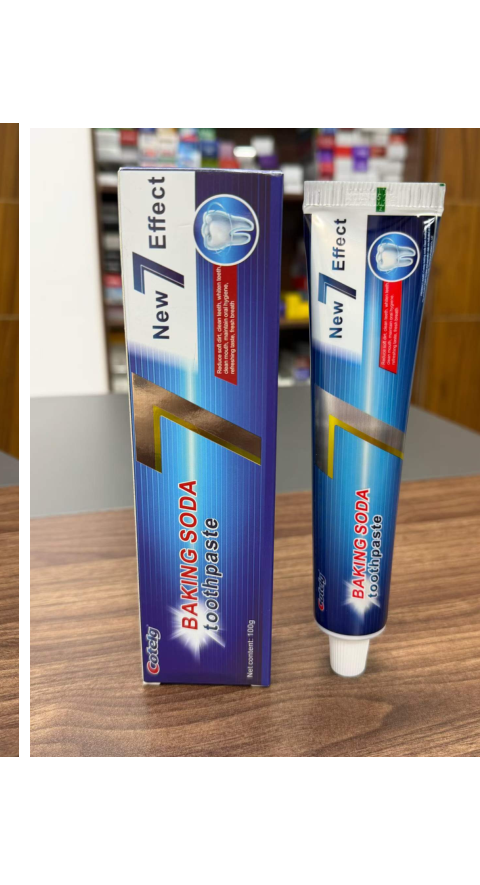
2. Request a product-specific evidence pack
Ask which records are available and applicable to the proposed item. Give each document a reference in your review sheet and check whether its product identifier matches the quotation and sample. A general company brochure and a report for another formula answer different questions.
| Review area | Question for the supplier | What to record |
|---|---|---|
| Product identity | Which formula and SKU revision does this offer cover? | Specification identifier and revision date |
| Ingredient information | What ingredient declaration applies to this finished product? | Current document and unresolved disclosure questions |
| Numerical specifications | Which parameters are specified, and how are they measured? | Units, method, limits and relevant results |
| Performance wording | What evidence supports each proposed statement? | Report scope, tested product and review decision |
| Sample | What does this sample represent, and what remains provisional? | Sample identifier and approval boundaries |
| Packaging | What supports the proposed product and pack combination? | Component references and available evaluation records |
| Batch information | Which agreed checks and records accompany an order? | Batch reference and agreed acceptance documents |
| Commercial scope | Which quantities, services and delivery assumptions apply? | Current quotation and explicit exclusions |
Use “not supplied” or “needs review” where appropriate. Do not replace a missing record with an unrelated document simply to complete the checklist. Ask the responsible reviewer whether the evidence answers the actual purchasing question.
3. Do not use a generic percentage or pH as your specification
If ingredient concentration is essential to your brief, ask what the supplier can confirm for the proposed formula and how that information will be documented. If a pH value is quoted, request the measurement method, sample preparation and applicable specification. Two numbers without their measurement context may not be directly comparable.
Keep raw-material information separate from finished-product information. A document identifying an ingredient does not, by itself, establish the properties of the complete toothpaste. Ask which records relate to the material, which relate to the formulation and which relate to an actual production batch.
4. Review abrasivity and claims in their proper context
The American Dental Association's toothpaste overview describes Relative Dentin Abrasivity, or RDA, as a standardized measure of toothpaste abrasivity. It also cautions against using RDA to rank toothpaste safety. This general explanation is not a test report or endorsement for any item in our catalog.
If abrasivity is part of your purchasing criteria, request the report for the relevant product, including its identification and method. Similarly, ask for evidence specific to any proposed whitening or other performance wording. Do not treat an ingredient name or a sample's feel as proof of the finished product's effect.
Have the responsible destination-market reviewer assess the proposed label and evidence. Keep the exact wording under review with the supporting reference. Avoid transferring a claim from another brand or a different formula to your own packaging.
5. Evaluate samples and packaging against agreed questions
Use our sample evaluation checklist to record observations such as appearance, dispensing and pack handling. Identify the sample and note any differences from the quotation. These observations help the purchasing conversation but do not replace the relevant product assessments.
For the proposed tube, cap and carton, ask which compatibility or storage-related information is available for that product and pack combination. Confirm what remains to be evaluated. Before artwork release, use our packaging approval checklist to align the ingredient text, product wording and file revisions with the confirmed information.
6. Turn open questions into a clear sourcing decision
Compare replies using the same SKU, quantity, packaging and delivery assumptions. Our quotation comparison worksheet helps separate price differences from scope differences. Document any requested assessment or service that is excluded from the offer rather than assuming it is included.
- Proceed to the next review stage when its required information is available.
- Request clarification when a report or specification does not identify the proposed product.
- Hold the relevant approval when a material requirement remains unresolved.
- Consider another documented option if the current proposal cannot address an essential requirement.
Keep the final specification, quotation, sample record and approved artwork together. A later change should identify which references need another review. Our private label launch guide places these checks within the broader project sequence.
Discuss your baking soda toothpaste sourcing brief. Send our factory team your market, catalog reference or product requirements, quantity and evidence questions.