
Mint and fruit toothpaste flavours are easy to order and easy to misjudge. A "preferred flavour" answer collected from a handful of colleagues, tasted in order with the proposed packaging visible, tells a buyer almost nothing about how a market will respond. This guide sets out how to organise a flavour sample test that produces a record you can defend in a purchasing decision.
It is a test-design framework, not a prediction of which flavour sells better, and it makes no claim about any formula's effect on teeth. Where the framework asks for a value or a threshold, your team sets it and records it before the first sample is opened.
1. Decide the question before the samples arrive
A flavour test can answer three different questions, and mixing them produces unusable notes: is the sample acceptable at all, which of two proposals fits the intended market better, or does the production batch match the approved sample. Write the question in one sentence and design only for that one. "Which mint direction fits our retail channel" and "is this batch the same as what we approved" need different panels, different score sheets and different decisions.
Then fix the decision rule in advance: which scores would make you accept, ask for revision, or reject. Choosing the threshold after seeing the results is how a test becomes a justification for a decision that was already made.
2. Build the panel from the intended user, not from the office
Match the panel to the people who will buy the product: age group, usual flavour preference and market. For a kids line, the buyers' assessment and a caregiver's view are both relevant, while a group of adult colleagues tasting a strawberry paste answers a different question. Record who took part, with their relevant characteristics, so the result can be interpreted later.
Panel size is a judgement call, but a small convenience group should be described as such in the report. Do not present a handful of internal tasters as market research.
3. Code and blind every sample
The most common source of error is knowing which sample is which. Give each sample a neutral code, present the pastes in identical containers or in their sealed tubes with branding hidden, and keep the key with one person who does not taste. Present the samples in a different order to each taster, or reverse the order for half the panel, so the first sample does not benefit from a fresh palate.
| Control | What to fix | Why |
|---|---|---|
| Sample coding | Neutral codes, key held separately | Removes brand and expectation bias |
| Presentation order | Rotated or randomised across tasters | Prevents first-position advantage |
| Amount | Same quantity on the same brush type | Flavour strength depends on dose |
| Rinsing | Same rinse and the same wait between samples | Stops carry-over between flavours |
| Time of day | Same session window for all tasters | Perception shifts with hunger and time |
| Recording | Scores written privately, not discussed aloud | Stops one voice steering the group |
Our sample evaluation checklist covers documenting a sample against a written specification; a flavour test adds the controls above on top of that record.
4. Score attributes separately
"I liked it" collapses several different judgements into one number. Ask tasters to score the attributes separately, using the same scale for every sample, and to leave a comment only where a score is at the extreme. The comments are what a supplier can act on.
| Attribute | Scale to define before tasting | What the score tells the supplier |
|---|---|---|
| Flavour intensity | Whether the dosage reads as too weak or too strong | |
| Sweetness | Direction for the sweetener system, not a health claim | |
| Cooling or warming | Whether the sensate level fits the positioning | |
| Aftertaste | Residual notes that drive repeat purchase or complaint | |
| Overall acceptance | The single headline number for the decision | |
| Comment | Free text | The specific change to request |
5. Separate the flavour question from the packaging question
Tube artwork, colour and product name influence what people say about taste. If the packaging is not yet decided, test with plain containers; if it is decided and you want to know how the finished article performs, test in the final pack and say so in the report. Running both in one session produces a result you cannot attribute to either factor.
6. Record conditions and keep the raw sheets
Keep the coded score sheets, the presentation order, the sample identities from the reference book, the panel list and the date. A conclusion without the raw sheets cannot be re-checked when a supplier revises the flavour and asks whether the new version is closer. Our quotation comparison guide follows the same principle for offers: the record is what makes two answers comparable.
7. Turn results into a written request
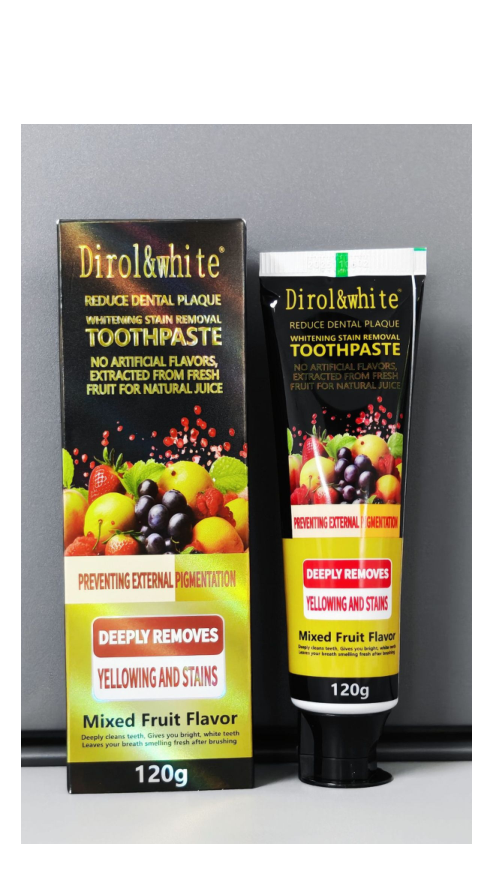
Summarise as a range or a distribution rather than a slogan: which attribute was consistently outside the acceptable band, on which samples, and from which part of the panel. Send the supplier the attribute-level findings, the approved reference and the requested change, then re-test the revised sample against the same coded protocol. For a fruit direction, our Diro&White Fruit series shows the products we supply as catalog references to start that conversation.
8. Know what the test does not prove
A panel test shows how your group responded to coded samples under the conditions you set. It does not establish market demand, retail performance or any health effect, and a positive result is not a reason to put a claim on the pack. Keep the flavour finding in the product file as an internal decision record, and keep claim wording in the evidence file described in our herbal ingredient documentation guide.
9. Next step
Send us the intended market, the flavour directions you want to compare, the pack format and the acceptance criteria you have set. We will confirm what can be sampled, how the reference is identified and what the samples represent. Send your flavour brief, or start from the wider factory sourcing process.